 EN
Navigating Visual Interface Demands in Heavy Industrial Instruments
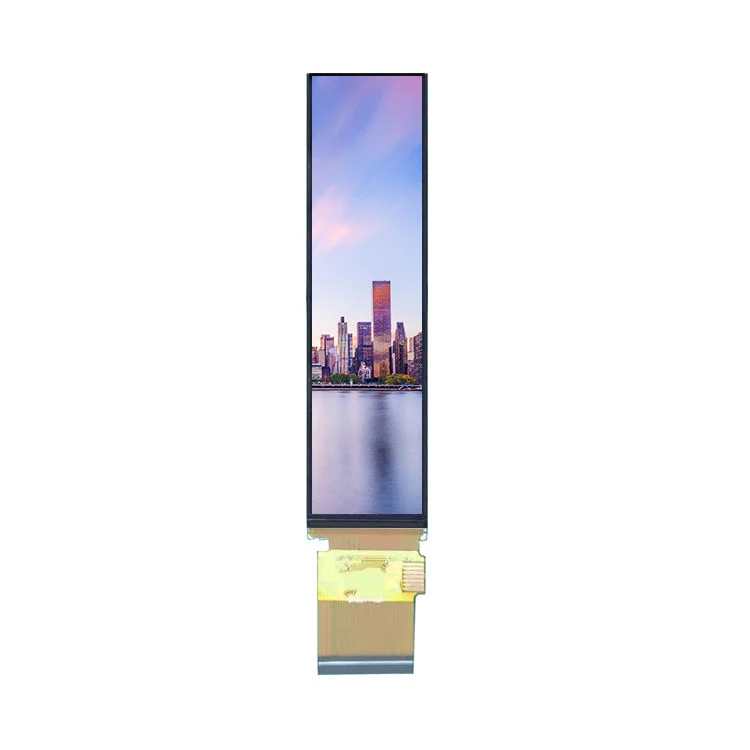
When you are designing diagnostic meters, heavy-duty electrical test benches, or rugged field measurement tools, the visual interface serves as the absolute bridge between operator control and machine performance. Unlike consumer electronics that live comfortably in climate-controlled indoor spaces, industrial instruments face punishing operating conditions every single day—ranging from continuous mechanical vibration and sub-zero outdoor cold to blistering factory heat, high ambient humidity, and glaring sunlight. Choosing the right lcd screen is never just a quick box-checking exercise on your bill of materials; it is a critical engineering decision that dictates whether your delicate instrument will survive tough field deployment or fail prematurely, taking your hard-earned brand reputation down with it across competitive global markets.
Evaluating Optical Clarity and Wide Temperature Resilience
Technical evaluation of industrial display modules always starts with solid optical performance and material science. Standard consumer-grade liquid crystal displays quickly wash out under direct sunlight or turn completely black when exposed to freezing winter temperatures. To prevent this, professional design teams must specify industrial-grade panels featuring high-contrast TN, VA, or IPS technology equipped with enhanced high-nits LED backlights capable of pushing well beyond standard brightness thresholds. Furthermore, true industrial solutions must operate reliably across extreme temperature ranges, often spanning from sub-zero levels up to high thermal thresholds. Integrating specialized anti-glare and anti-reflective polarizers ensures crystal-clear legibility from wide viewing angles, even when operators check critical diagnostic readings in bright, unshaded outdoor environments without experiencing visual fatigue.
Overcoming Mechanical and Electrical Ruggedization Hurdles
Practical field engineering experience quickly reveals that optical specifications alone do not guarantee a successful deployment in tough environments. Industrial instruments are constantly subjected to severe mechanical shocks, continuous vibrations from heavy machinery, and heavy electromagnetic interference from nearby motors and power transformers. Ensuring long-term reliability requires meticulous attention to mechanical integration, structural housing design, and circuit shielding. Engineers must utilize robust pin configurations, reinforced flexible printed circuit routing, and shock-absorbent mounting gaskets. Additionally, incorporating optical bonding—where the protective cover glass is laminated directly to the liquid crystal matrix—eliminates internal air gaps, drastically reducing parallax errors, blocking moisture ingress, and increasing impact resistance against accidental drops or tool strikes on the factory floor.
Driving Long-Term Reliability and Lower Total Cost of Ownership
The choice of an industrial display module carries immense commercial weight regarding the total cost of ownership. Opting for an inferior, low-cost display component to shave a few dollars off initial production costs almost always backfires, resulting in high field failure rates, expensive warranty repairs, and frustrated enterprise clients. Conversely, investing in a robust, high-durability lcd screen ensures continuous system uptime, eliminates recurring maintenance call-outs, and protects profit margins across large-scale deployments. Industrial buyers demand equipment that works day in and day out without fail. Prioritizing strict quality standards during component selection transforms your instrument into a trusted industry benchmark, fostering deep customer loyalty and long-term commercial success.
Leveraging Advanced Software Toolchains for Instrument Customization
Beyond physical ruggedization and optical clarity, modern industrial instrumentation relies heavily on efficient software architectures and responsive graphical user interfaces. Integrating high-performance display controllers with modular firmware allows design teams to process complex sensor data quickly and render real-time waveforms or numerical metrics without stuttering. Building flexible software toolchains streamlines device prototyping, reduces development cycles, and enables seamless adaptation to custom layout requirements across diverse industrial monitoring applications worldwide. Furthermore, optimizing frame buffer memory management ensures smooth graphical rendering without draining precious system resources or introducing processing lag.
Securing Your Supply Chain with Topwin Industrial Display Solutions
Sourcing reliable components for demanding industrial applications requires aligning your business with an established manufacturing partner that understands the nuances of global B2B procurement. Topwin has stood firmly at the forefront of the electronic display sector for many years, bringing extensive manufacturing and global export excellence to clients worldwide. Operating under strict international quality management standards and environmental compliance frameworks, Topwin integrates thorough multi-stage inspection routines into every production run to ensure exceptional consistency and flaw-free output. Backed by extensive standard module inventory, rapid shipping capabilities, and expert custom OEM and ODM engineering support, Topwin delivers resilient, high-performance display innovations tailored for the world's most demanding industrial environments. Partner with Topwin today to elevate your instrument reliability and fortify your global supply chain.
Building Sustainable Long-Term Success in Industrial Ecosystems
As global industries continue pushing toward smarter, more connected operational workflows, the selection of high-durability display modules will play an increasingly foundational role in hardware design. By demanding rigorous quality benchmarks, optimizing optical and electrical parameters, and partnering with world-class manufacturing leaders like Topwin, businesses can unlock limitless possibilities for custom industrial instrumentation.
Embracing Future Innovations in Rugged Visual Interfaces
As electronics continue to evolve toward higher processing speeds and enhanced environmental resistance, partnering with an agile manufacturing innovator becomes even more vital for long-term commercial triumph. Staying ahead in competitive markets requires continuous technological collaboration, rigorous testing, and absolute confidence in your component supply chain.
Optimizing Operational Efficiency Through Smart Component Choices
Making informed decisions during component selection pays dividends long after the initial product launch. When your industrial instruments feature robust, readable, and resilient displays, customer satisfaction soars and support tickets plummet. Investing in superior display technology is ultimately an investment in your brand's enduring market leadership and commercial viability.
Table of Contents
- Navigating Visual Interface Demands in Heavy Industrial Instruments
- Evaluating Optical Clarity and Wide Temperature Resilience
- Overcoming Mechanical and Electrical Ruggedization Hurdles
- Driving Long-Term Reliability and Lower Total Cost of Ownership
- Leveraging Advanced Software Toolchains for Instrument Customization
- Securing Your Supply Chain with Topwin Industrial Display Solutions
- Building Sustainable Long-Term Success in Industrial Ecosystems
- Embracing Future Innovations in Rugged Visual Interfaces
- Optimizing Operational Efficiency Through Smart Component Choices