 EN

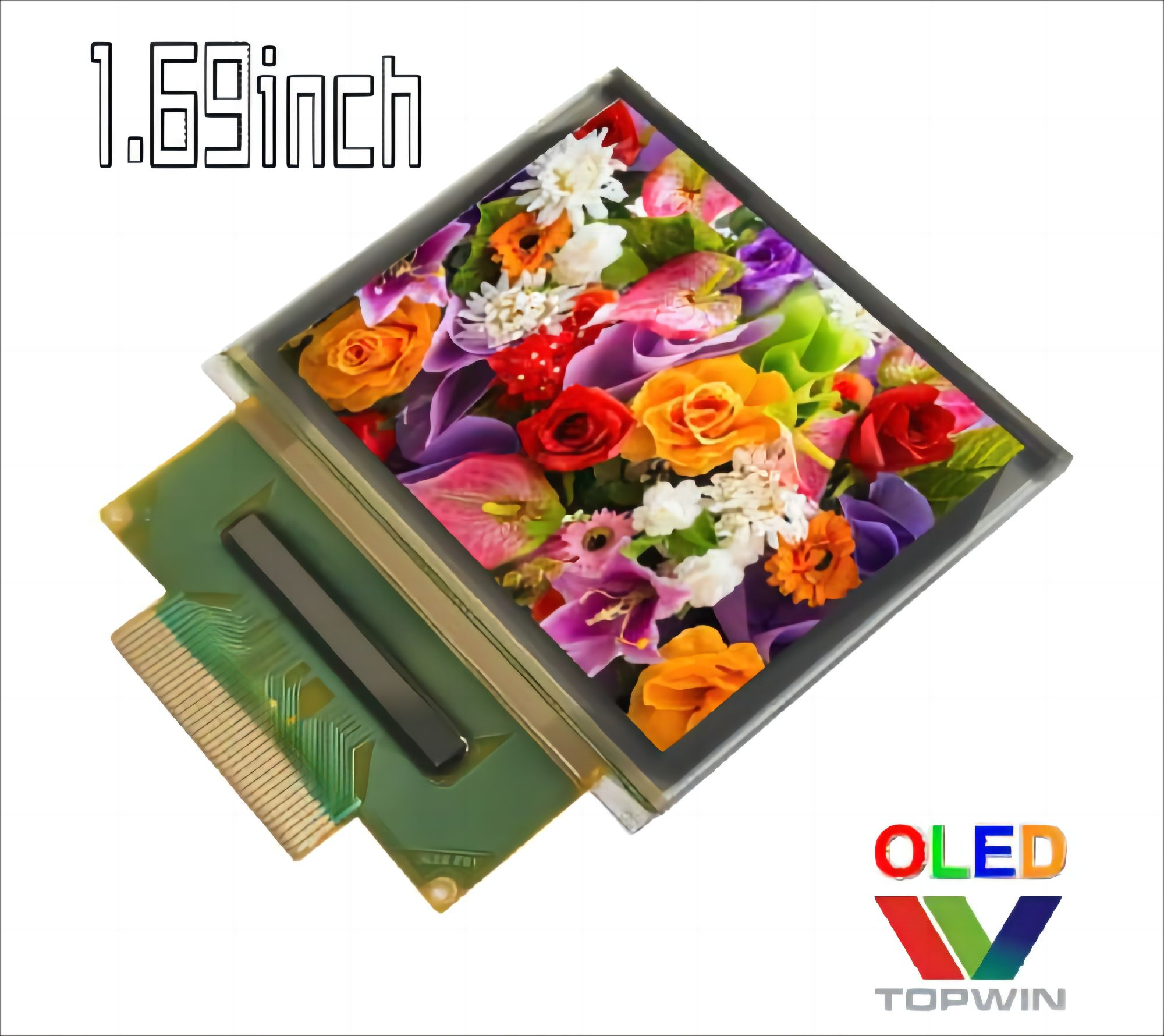
Why Tough Conditions Demand a Rethink on OLED Screens
When you walk through a busy manufacturing plant, board a commercial fishing vessel braving icy waters, or check portable medical gear out in the field, you notice how much modern industries rely on crystal-clear displays. Among all available display choices, engineers and product designers frequently gravitate toward the oled screen because its self-emissive sub-pixels deliver gorgeous contrast, pitch-black dark levels, wide viewing angles, and snappy response times that make legacy liquid crystal displays look completely outdated. Yet, bringing these vibrant panels out of cozy indoor labs and dropping them straight into heavy-duty industrial or outdoor environments changes the game entirely. High humidity, sudden sub-zero freezes, blistering heat waves, constant ultraviolet exposure, and relentless mechanical shocks create a punishing battlefield for sensitive electronics. If you don't take proper precautions early in the hardware design phase, these environmental factors will quickly degrade display performance, leading to premature failure and unhappy end users across demanding operational fields worldwide.
The Hidden Vulnerabilities Beneath the Surface
To truly understand how to shield an oled screen, you first need to look at what makes it tick under the hood. Unlike traditional screens with a chunky backlight, organic light-emitting diodes rely on delicate organic compounds that emit their own light when energized. The catch is that these organic materials are naturally sensitive to moisture, oxygen, and microscopic air pockets. Even a tiny trace of humidity or dust leaking past the seals can trigger dark spots, pixel shrinkage, and uneven luminance decay over time. To combat this, advanced manufacturing processes rely on sophisticated thin-film encapsulation and multi-layer barrier stacks that act like a microscopic spacesuit, sealing the active layers away from ambient hazards. By eliminating bulky backlights, these modules stay remarkably thin, but they still require careful thermal and physical planning to survive real-world abuse and challenging ambient conditions.
Tackling Extreme Temperatures and Thermal Expansion Realities
Field deployments are rarely gentle, especially when you imagine an outdoor kiosk sitting under the blazing sun all day, only to experience freezing night temperatures that create massive thermal swings. When ambient conditions fluctuate wildly, materials expand and contract at different rates. If an oled screen panel and its surrounding metal housing expand unequally, severe mechanical warping or adhesive delamination can occur. To prevent this headache, experienced engineering teams turn to optical bonding. By filling the microscopic air gap between the display surface and the protective cover glass using specialized liquid optically clear adhesives, manufacturers create a solid, unified laminate. This clever technique not only banishes internal reflections so users can read the screen clearly under bright sunlight, but it also acts as a heavy-duty shock absorber, dampening mechanical vibrations before they can rattle the fragile organic layers inside.
Maximizing Long-Term Commercial Value and Reliability
Choosing the right protective strategy for a high-end oled screen isn't just about winning an engineering checklist; it is a smart commercial move that directly safeguards your bottom line. Think about heavy logistics terminals, remote energy monitoring stations, or emergency response vehicles—industries where equipment failure isn't just an inconvenience, but a costly disaster. A sudden display blackout can trigger expensive system downtime, safety hazards, and painful maintenance call-outs. Investing in robust display protection upfront guarantees stable, long-term operation, driving down the total cost of ownership across the entire product lifecycle. Hardware manufacturers that prioritize rugged display engineering build rock-solid reputations, earn deep customer trust, and easily outpace competitors in demanding global markets where reliability matters most, ensuring maximum returns on commercial investments and sustainable brand growth.
The Power of Tailored Engineering and Flexible Customization
Every industrial project comes with its own unique set of mechanical, electrical, and optical challenges, meaning off-the-shelf components rarely fit right out of the box. Building a durable device means working closely with a specialized display partner who understands how to customize interface protocols, adapt flexible printed circuits, integrate touch panels securely, and design custom mounting brackets. This collaborative engineering approach ensures that your oled screen fits seamlessly into your mechanical housing, minimizes electronic interference, and maintains lightning-fast touch response even when operators are wearing thick work gloves or working in pouring rain. Having expert technical support right from the early prototyping stage makes all the difference between a sluggish product launch and a roaring commercial success story in competitive markets.
Partnering with Topwin for Resilient Display Solutions and Supply Chain Strength
Bringing a rugged electronic product to market smoothly requires more than brilliant ideas—it takes a dependable manufacturing partner with deep industry heritage and robust production capabilities. Topwin has spent years building a stellar reputation as a trusted provider of high-performance display modules, offering comprehensive custom design and manufacturing services tailored for demanding global industries. Operating under strict international quality management standards and environmental compliance frameworks, Topwin integrates thorough multi-stage inspection routines into every production run to ensure exceptional consistency and flaw-free output. Beyond technical expertise, Topwin provides reliable component availability and streamlined global shipping support to help OEMs shorten lead times, lower operational risks, and scale production seamlessly. Whether developing advanced handheld terminals, industrial automation gear, or outdoor monitoring systems, partnering with Topwin ensures your hardware is equipped with resilient, top-tier display innovations built to thrive anywhere across the globe, giving your brand an enduring competitive advantage.
Building a Sustainable Future for Rugged Electronic Applications
As technology continues to evolve into increasingly demanding environments, the demand for ultra-reliable display components will only accelerate. Engineers, product managers, and hardware developers must continuously evaluate how environmental stressors interact with emissive display materials, ensuring that protective enclosures, optical lamination techniques, and robust encapsulation strategies are integrated from the very inception of a project. By combining cutting-edge material science with meticulous manufacturing discipline and responsive supply chain partnerships, businesses can overcome every technical hurdle associated with harsh operational settings. Ultimately, choosing top-tier components and dependable manufacturing allies like Topwin transforms potential vulnerabilities into powerful market differentiators, paving the way for long-lasting success, flawless operational performance, and unwavering customer satisfaction across every industry vertical.
Table of Contents
- Why Tough Conditions Demand a Rethink on OLED Screens
- The Hidden Vulnerabilities Beneath the Surface
- Tackling Extreme Temperatures and Thermal Expansion Realities
- Maximizing Long-Term Commercial Value and Reliability
- The Power of Tailored Engineering and Flexible Customization
- Partnering with Topwin for Resilient Display Solutions and Supply Chain Strength
- Building a Sustainable Future for Rugged Electronic Applications