 EN
EN

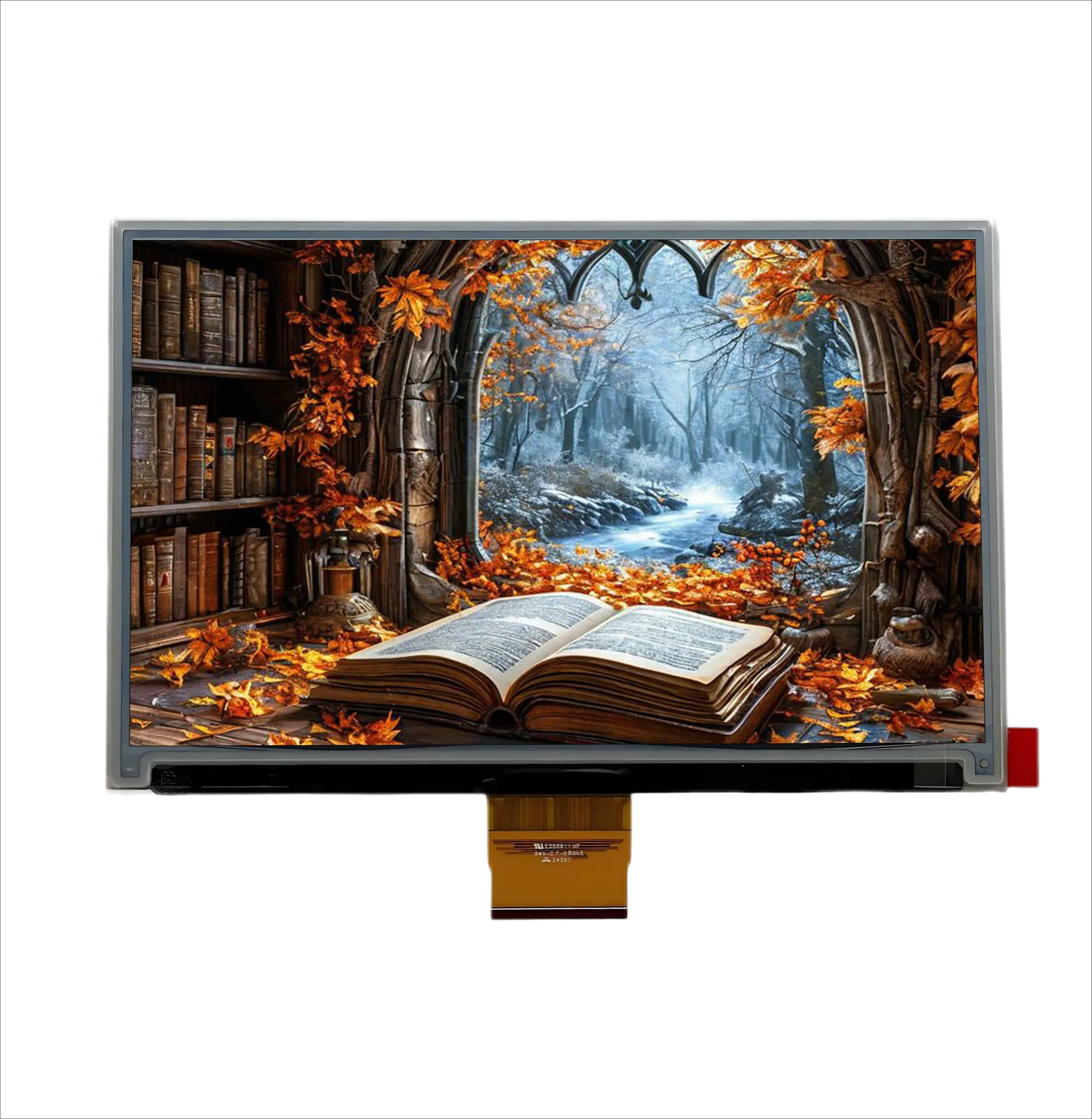
The Evolution and Practical Application of Color E-Ink Technology
In recent years, the global display industry has witnessed a profound shift towards sustainable, human-centric, and low-power technology. While high-definition LCD and OLED panels have long dominated the consumer electronics market, color E-Ink technology is rapidly carving out a specialized niche for products where power efficiency, battery longevity, and visual comfort are paramount. As product designers and engineers explore innovative ways to balance complex functionality with energy sustainability, understanding the practical utility of color electronic paper is becoming increasingly essential. From intelligent electronic shelf labels in high-traffic retail environments to portable healthcare monitors and industrial IoT sensors, this technological transition is not merely about aesthetic updates—it is about fundamental improvements in how information is delivered, processed, and consumed in our daily lives.
Understanding the Core Advantages of Color E-Ink Displays
At the heart of color E-Ink technology lies a revolutionary reflective display principle that mimics the appearance of traditional ink on physical paper. Unlike emissive displays—such as those found in smartphones or standard monitors—which require a constant, energy-draining backlight, E-Ink modules function by reflecting ambient light. This physical property makes them exceptionally readable, even under direct, harsh sunlight, where traditional digital screens often suffer from severe glare and contrast washout. Furthermore, the technology is remarkably energy-efficient. Power is primarily consumed only when the content on the screen is modified. Once a static image or data point is rendered, it remains visible indefinitely without any continuous power draw. This specific characteristic is absolutely vital for battery-operated IoT devices, remote sensors, and portable equipment that demand years of operational life without the need for frequent charging or maintenance.
Evaluating Color E-Ink in Modern Product Design
Beyond the basic metrics of technical efficiency, color E-Ink provides a tangible, strategic competitive advantage for companies across diverse industries. In the retail sector, for example, electronic shelf labels equipped with color capabilities allow for dynamic pricing, promotional highlights, and automated inventory management, all while maintaining a natural, paper-like appearance that customers perceive as more pleasant and readable than a glowing, high-contrast screen. Similarly, in the fields of medical device manufacturing and office automation, the absence of blue light emission and screen flicker significantly reduces long-term eye fatigue, which serves as a crucial selling point for products designed for continuous or prolonged use. By integrating color, designers can now highlight essential information—such as critical alerts, categorized data, or status updates—without sacrificing the core power-saving benefits of the E-Ink medium.
Navigating the Suitability for Your Next Product Project
Determining whether color E-Ink is the correct fit for a specific project requires a careful, methodical evaluation of user needs and hardware constraints. If a product necessitates smooth, high-frame-rate video playback, rapid real-time animations, or high-definition color saturation, standard LCD or OLED panels remain the superior technological choice. However, if the project prioritizes readability in varying ambient light conditions, ultra-low power consumption, and long-term user comfort, color E-Ink is often the optimal solution. Designers should weigh factors such as the frequency of screen updates and the physical constraints of the host device. Many successful product implementations currently use this technology for static or semi-static information, such as high-end e-readers, smart home controllers, and environmental monitoring systems, where data density is high but refresh rate requirements are moderate.
Topwin: Engineering Excellence and Supply Chain Support
Selecting the right display partner is as critical to product success as choosing the technology itself. Topwin has established a long-standing reputation as a trusted provider of high-quality display modules, supported by years of intensive experience in custom display manufacturing and global supply chain management. By working in close coordination with product developers, Topwin ensures that the integration of color E-Ink technology is seamless, from the initial concept design and technical feasibility analysis phase all the way to robust, large-scale mass production. The professional engineering team at Topwin understands the complex intricacies of thermal management, driver board compatibility, and durable display construction. This expertise provides clients with the absolute assurance that their final display solutions will consistently meet the highest industry standards for reliability, performance, and long-term environmental durability.
Building a Sustainable Future with Advanced Displays
As global industries increasingly prioritize ESG (Environmental, Social, and Governance) initiatives and aggressive energy conservation goals, the adoption of low-power, reflective display technologies is projected to accelerate significantly. Color E-Ink represents a convergence of human-centered design and environmental sustainability, effectively helping brands deliver smarter, more durable, and more visually engaging products to the market. By carefully selecting technology that aligns perfectly with target user needs and partnering with experienced manufacturing experts like Topwin, companies can effectively differentiate themselves in an increasingly crowded global market. Ultimately, the future of display technology is not just about raw brightness or resolution; it is about providing clear, comfortable, and sustainable communication in every environment, ensuring that information remains accessible regardless of power availability or lighting conditions.
Table of Contents
- The Evolution and Practical Application of Color E-Ink Technology
- Understanding the Core Advantages of Color E-Ink Displays
- Evaluating Color E-Ink in Modern Product Design
- Navigating the Suitability for Your Next Product Project
- Topwin: Engineering Excellence and Supply Chain Support
- Building a Sustainable Future with Advanced Displays