 EN
EN

The Core Electrophoretic Mechanism Driving Warehouse Innovation
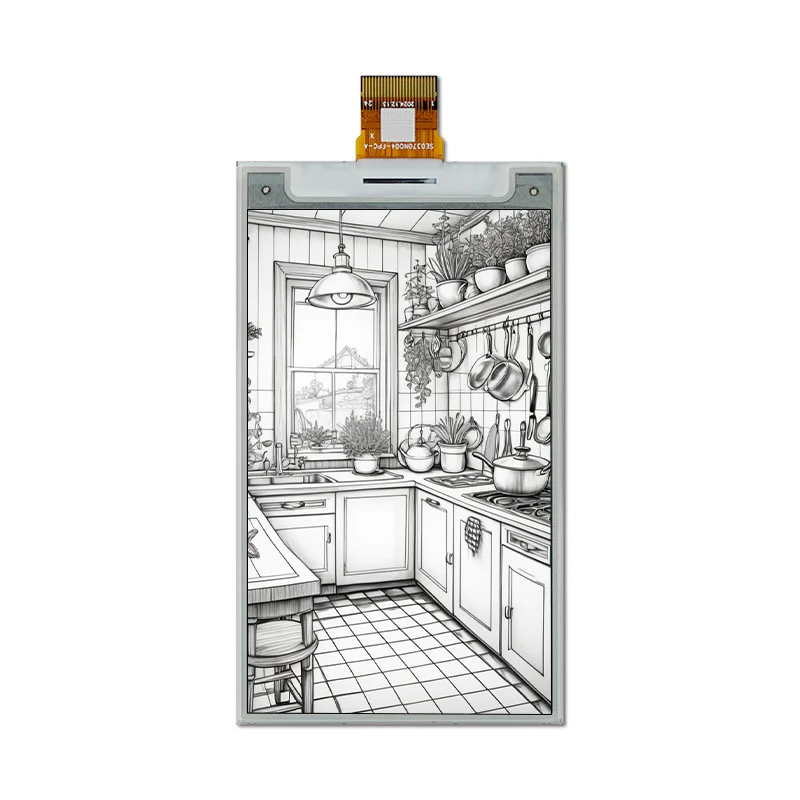
When upgrading modern logistics infrastructure and smart warehousing networks from the ground up, choosing the right visualization technology dictates both operational efficiency and long-term system reliability. Unlike traditional backlit liquid crystal panels or power-hungry LED screens, an advanced epaper display operates on a unique physical principle known as electrophoresis. Millions of microscopic microcapsules suspended in a clear fluid shift their charged pigment particles when a precise electrical charge is applied across the underlying backplane micro-circuitry. Because these particles remain permanently locked in position once the image renders, the screen requires zero electrical current to maintain a static visual display, drawing power exclusively during active refresh cycles. As a seasoned hardware integration specialist at Topwin, I have observed firsthand that this bistable architecture fundamentally transforms how automated fulfillment centers and inventory management systems handle real-time data tracking without draining continuous energy supplies. Furthermore, this solid-state electrophoretic construction provides a stable foundational platform that supports high-density data visualization required by modern distribution centers.
Unmatched Legibility Across Harsh Industrial Lighting Environments
Warehouse facilities present severe visual challenges for standard electronic hardware due to glaring overhead metal-halide lamps, dim storage aisles, and stark contrast shifts near loading docks. Traditional screens often suffer from heavy surface reflection and washout, forcing workers to squint or adjust their viewing angles to read inventory barcodes or pick lists correctly. Conversely, an epaper display completely bypasses these visibility bottlenecks by leveraging ambient light reflection instead of competing with it via an internal backlight. The brighter the external facility lighting shines upon the screen surface, the sharper and more legible the high-contrast text and graphical layouts appear to operators. According to industrial ergonomics studies and display standards, this natural readability drastically reduces visual fatigue and scanning errors among warehouse staff, ensuring seamless execution during fast-paced, multi-shift fulfillment operations without experiencing any form of optical eye strain.
Extreme Energy Autonomy and Low-Maintenance Operations
Power management and battery replacement cycles represent massive logistical hurdles when deploying thousands of wireless asset tags, digital shelf labels, and automated cart-routing terminals across expansive warehouse floors. Traditional displays demand a constant electrical draw to maintain imagery, leading to frequent battery depletion and expensive maintenance overhead. In contrast, an epaper display delivers exceptional energy efficiency because power is consumed only when information updates. Drawing from practical logistics deployment case studies, facilities utilizing bistable screen modules can operate on compact internal batteries for years without interruption. This remarkable power autonomy drastically cuts down operational downtime, minimizes labor-intensive battery swaps, and significantly lowers the total cost of ownership for large-scale supply chain enterprises seeking sustainable automation solutions.
Robust Environmental Resilience and Structural Durability
Industrial warehouses are demanding environments characterized by heavy mechanical vibrations, fluctuating ambient temperatures, and exposure to dust or moisture near shipping zones. Standard commercial display panels often crack, lag, or experience thermal distortion when subjected to cold storage freezers or uninsulated loading bays. Fortunately, an epaper display exhibits superior structural durability and thermal resilience across varying climates. The physical stability of the microcapsule suspension fluid remains unaffected by typical temperature swings or mechanical stress. At Topwin, our engineering teams frequently collaborate with global logistics partners to supply ruggedized, customized panel configurations that withstand harsh industrial conditions while maintaining flawless optical clarity and dependable operational continuity throughout demanding supply chain workflows.
Supply Chain Integration and Comprehensive Manufacturing Support
Transitioning a smart warehouse concept into a reliable, large-scale reality requires far more than basic component procurement; it demands a trusted, experienced manufacturing partner. Sourcing dependable micro-components, navigating strict customization requirements, and enforcing rigorous quality control protocols are critical steps that determine whether a logistics upgrade succeeds or fails. With over two decades of specialized display manufacturing experience, Topwin provides comprehensive, end-to-end support ranging from standard module inventories to tailored OEM engineering solutions. Operating strictly under certified ISO and RoHS quality management systems, we conduct rigorous multi-stage inspections on every epaper display before final dispatch. This steadfast commitment to supply chain stability and technical excellence empowers our global clients to minimize deployment risks, streamline assembly lines, and accelerate time-to-market.
Summary of Advantages for Modern Logistics Infrastructure
In summary, integrating an epaper display into modern warehouse systems offers a sophisticated, highly efficient solution for environments where power independence, absolute sunlight readability, and rugged durability are paramount. By combining bistable energy conservation, exceptional optical clarity, and robust environmental resilience, these advanced modules satisfy the rigorous demands of contemporary supply chains. As the logistics industry continues its rapid evolution toward fully automated, intelligent warehousing, choosing the right display partner is more critical than ever. Topwin remains fully committed to delivering innovative, certified display modules and reliable supply chain services, ensuring that your next smart warehouse project successfully leads the global industry in operational efficiency, environmental sustainability, and long-term reliability across every operational scenario.
Table of Contents
- The Core Electrophoretic Mechanism Driving Warehouse Innovation
- Unmatched Legibility Across Harsh Industrial Lighting Environments
- Extreme Energy Autonomy and Low-Maintenance Operations
- Robust Environmental Resilience and Structural Durability
- Supply Chain Integration and Comprehensive Manufacturing Support
- Summary of Advantages for Modern Logistics Infrastructure