 EN
EN

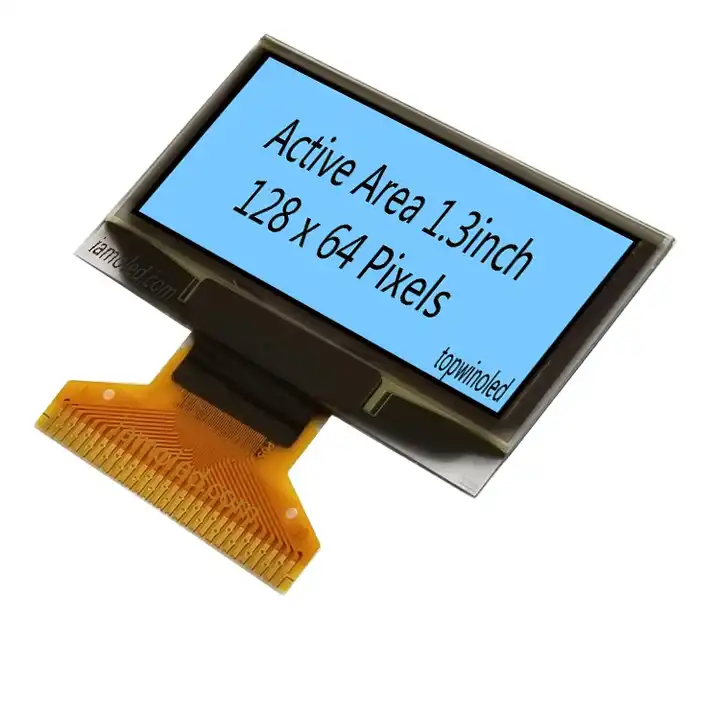
The Emissive Architecture Driving Modern Portability
When designing next-generation wearable technology from the ground up, the choice of visual interface dictates both the aesthetic appeal and the functional success of the final device. Unlike traditional liquid crystal displays that rely heavily on a bulky, power-hungry external backlight system, an advanced oled display panel operates entirely on a self-emissive organic diode structure. Every individual pixel generates its own independent light and color the moment an electrical current is applied across the micro-circuitry. As a seasoned hardware integration specialist at Topwin, I have observed firsthand that this pixel-level self-emission completely eliminates the need for extra diffuser layers and heavy backlight units, allowing engineering teams to design significantly thinner, lighter, and more streamlined smartwatches, fitness trackers, and health-monitoring wristbands. This foundational shift in hardware architecture fundamentally transforms how compact portable devices deliver visual data to the user.
Unmatched Contrast and Visual Sharpness at Close Range
Wearable devices sit mere inches from the user's eyes throughout the day, making visual clarity, extreme sharpness, and superior contrast ratio paramount to a truly premium user experience. Conventional display technologies often struggle with internal light leakage, leading to washed-out blacks and poor contrast when viewed closely or under harsh, direct sunlight conditions. Conversely, an oled display panel achieves true, absolute black by completely turning off individual pixels whenever dark or negative space content is rendered on screen. This unique capability creates an infinite contrast ratio, making text, icons, and notifications pop with striking vibrancy and depth. According to display industry standards and technical analyses, self-lit pixels drastically reduce visual fatigue, ensuring that users can effortlessly glance at incoming messages or complex biometric data under diverse indoor and outdoor lighting environments without straining their eyes.
Exceptional Energy Efficiency for Extended Battery Life
Battery longevity remains one of the greatest engineering hurdles in the ongoing development of modern wearable electronics. Consumers universally expect advanced health tracking, continuous heart-rate monitoring, and constant smart notifications from devices that must operate smoothly for days on a single, minuscule battery cell. Here, an oled display panel delivers a massive performance advantage through intelligent, pixel-level power management and operational optimization. Because black or dark pixels consume virtually zero electrical power during active use, user interfaces purposefully designed with dark themes or minimal graphical elements can dramatically lower overall energy consumption. Drawing from practical manufacturing case studies, optimizing panel drive configurations and advanced sub-pixel layouts allows hardware developers to squeeze significantly more operational hours out of compact wearable power units, directly addressing consumer demands for dependable everyday reliability.
Mechanical Flexibility and Thin-Form Factor Integration
The modern wearable market has evolved far beyond rigid, traditional square watch faces, leaning heavily toward ergonomic curved contours, circular designs, and ultra-sleek aerodynamic profiles. Integrating a rigid display module into a curved wristband or an advanced sports tracking device presents major structural and mechanical limitations. Fortunately, an oled display panel can be manufactured directly on flexible plastic substrates or advanced thin-film layers, enabling manufacturers to build seamless, curved, and non-traditional form factors with ease. This structural adaptability gives industrial designers unprecedented creative freedom. At Topwin, our engineering teams frequently collaborate with global brands to supply customized panel configurations that fit snugly into unique geometric enclosures, ensuring complete structural integrity and mechanical durability without ever compromising optical display performance.
Supply Chain Excellence and Custom Manufacturing Support
Translating a brilliant wearable concept into a commercially viable, mass-produced product requires much more than just high-grade component specifications; it demands a robust, dependable manufacturing partner. Sourcing reliable micro-components, navigating complex customization requirements, and enforcing rigorous quality control protocols can make or break a product's successful market entry. With over two decades of specialized display manufacturing experience, Topwin provides comprehensive, end-to-end support ranging from standard module inventory to tailored OEM engineering solutions. Operating strictly under certified ISO and RoHS quality management systems, we conduct rigorous multi-stage inspections on every single oled display panel before final dispatch. This steadfast commitment to supply chain stability and technical excellence empowers our global clients to mitigate production risks and accelerate time-to-market.
Summary of Advantages for Next-Gen Wearables
In summary, the oled display panel has firmly established itself as the undisputed gold standard for modern wearable technology and smart electronics. By combining self-emissive crispness, supreme energy efficiency, mechanical flexibility, and unmatched contrast ratios, it empowers devices to meet the rigorous daily demands of today's consumers. As the wearable market continues to expand dynamically into advanced health tech, smart fashion, and specialized augmented accessories, choosing the right display partner is more critical than ever before. Topwin remains fully committed to delivering innovative, high-performance display modules and exceptional supply chain services, ensuring that your next wearable device successfully leads the global industry in both design sophistication and long-term operational reliability across every scenario.
Table of Contents
- The Emissive Architecture Driving Modern Portability
- Unmatched Contrast and Visual Sharpness at Close Range
- Exceptional Energy Efficiency for Extended Battery Life
- Mechanical Flexibility and Thin-Form Factor Integration
- Supply Chain Excellence and Custom Manufacturing Support
- Summary of Advantages for Next-Gen Wearables