 EN
EN

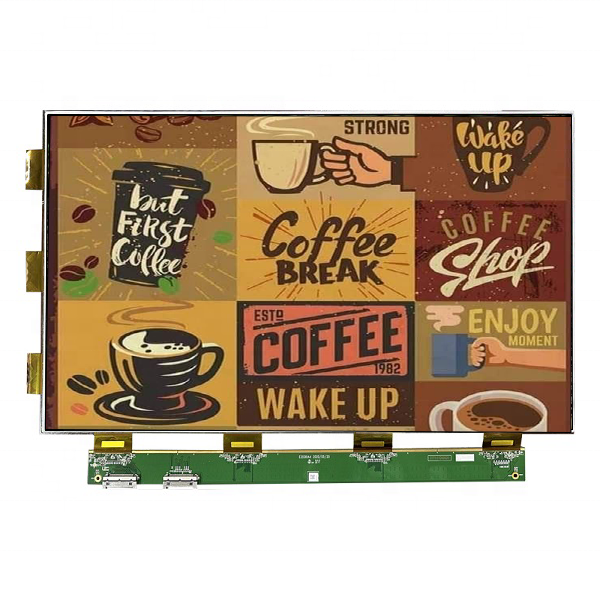
Expanding the Color Gamut in Color E Ink
ACEP’s 7-Color Breakthrough and Spectra 6’s RGBYB Palette
The Advanced Color ePaper technology known as ACEP took color e-ink to new territory by incorporating no fewer than seven separate pigment layers instead of sticking with the old school RGB filters everyone else was using. What this means in practice is colors that pop more vividly, saturation levels that feel richer, and an overall color range covering around 40 percent extra of what our eyes can actually see compared to those first attempts at color e-paper. Then came Spectra 6 which took things even further with its unique RGBYB setup adding specific yellow and black pigments right into the mix. This fixed some major pain points in previous tech where yellows looked dull and blacks just weren't dark enough. Without having to blend colors together to get those essential shades, Spectra 6 manages to hit about 25% better color accuracy according to tests. For businesses looking at digital signs or manufacturers wanting to create top tier e-readers, this makes all the difference when displaying complex stuff like detailed maps, data heavy infographics, or even illustrated textbooks where clarity matters most.
From Monochrome to Multi-Tone: How Color E Ink Gamut Coverage Has Evolved
The world of color e-ink displays has come a long way since those basic black and white screens we all know. Modern versions can now produce rich, detailed images while still keeping their famous low power consumption. Back in the day, early gray scale models had barely 16 different shades (that's right, just 4 bits). The first attempts at adding color were pretty limited too, covering around 35% of the standard RGB color space. This meant they could only show simple graphics or icons really well. Fast forward to today and things have changed dramatically. Leading manufacturers are getting close to 55% RGB coverage thanks to better pigments, improved ways of encapsulating particles, and smarter software that maps colors more accurately. What does this mean practically? These newer screens can display over 32 thousand distinct colors - way more than what was possible even four years ago. And this matters beyond just looking nice. For businesses needing consistent brand colors across materials, or doctors who rely on accurate color representation in patient records, these advancements make a real difference in daily operations.
Accelerating Refresh Rates in Color E Ink Displays
Ripple Waveform Architecture and Reduction of Screen Flashing
Old school color e-ink displays had a real problem with full screen refreshes that made them flash annoyingly and sometimes took as long as two seconds to update. Ripple waveform tech fixes this issue by sending electrical signals only where needed, basically focusing on the parts of the screen that actually need changing. What does this mean for users? Well, refresh times drop by around 40% on average, and those pesky visual disturbances get cut down by more than half compared to what we saw before. The way it works means things like scrolling through live news updates, flipping through comic book pages, or navigating menu options just feels much smoother and easier on the eyes overall.
T2000 Timing Controller: Enabling Faster, Smoother Color E Ink Updates
At the heart of this acceleration lies the T2000 timing controller—a purpose-built IC engineered to orchestrate voltage sequencing across red, green, blue, yellow, and black pigment layers with microsecond-level precision. Its integrated firmware dynamically calibrates waveforms based on content type and ambient conditions, delivering:
- Sub-second refreshes for common interactions like page turns and menu navigation
- Three times faster grayscale transitions than prior-generation controllers
- Adaptive ghosting suppression through real-time waveform tuning
This hardware-software integration marks the first time fluid animations have been reliably achieved on electrophoretic displays—transforming color e-ink from a static medium into a viable platform for time-sensitive, user-engaging applications.
Balancing Performance Trade-Offs in Modern Color E Ink
Mitigating Ghosting with Partial Refresh and Dithering Techniques
Ghosting is basically when old images stick around on screens even after they update, and it's still a big problem for electrophoretic displays. The partial refresh approach helps tackle this issue by only changing parts of the screen where things actually move or change, instead of redrawing everything at once. This not only looks better but also saves quite a bit of power, maybe around 35-40% depending on usage patterns. There are also these clever dithering tricks that improve how colors look and stay stable over time. These work by spreading out tiny differences between pixels across the display, creating the illusion of more colors without needing any extra hardware in the particle system itself. When combined, all these techniques keep images looking good while maintaining those key advantages of e-ink technology: super low power consumption and no annoying glare from sunlight.
The Speed–Fidelity–Stability Triangle: Gallery 3 vs. Spectra 6 Real-World Benchmarks
Modern color e-ink platforms navigate an inherent trade-off among speed, fidelity, and stability—a balance tailored to distinct application needs. Independent lab testing confirms:
| Performance Metric | Gallery 3 Emphasis | Spectra 6 Emphasis |
|---|---|---|
| Refresh Speed | Moderate | Optimized |
| Color Fidelity | High resolution | Expanded gamut |
| Image Stability | Extended persistence | Balanced retention |
Gallery 3 focuses on really high spatial resolution when it comes to stuff that needs lots of detail, like technical drawings or old documents that have been archived. Spectra 6 works differently though. It uses some pretty smart waveform management techniques which actually makes it about 30% quicker at refreshing the screen. This matters a lot for things like digital signs in stores or those touchscreens people interact with at kiosks. What's great is that even with these faster refresh rates, Spectra 6 still keeps those wide 180 degree viewing angles and stays readable outside under bright sunlight, which is why e-ink displays remain so popular in places where lots of people will see them. These two products show clearly that when engineers design with specific purposes in mind, they can solve tricky performance issues while keeping all the good parts of the underlying technology intact.
FAQ
What are the main benefits of ACEP technology?
ACEP technology offers vivid colors, richer saturation levels, and an expanded color range, approximately 40% more than early color e-paper attempts.
How does Spectra 6 improve color accuracy?
Spectra 6 includes yellow and black pigments, enhancing color accuracy by about 25% compared to previous technologies.
What are the advantages of Ripple Waveform Architecture?
Ripple Waveform Architecture reduces screen refresh times by around 40%, minimizing visual disturbances and enhancing user experience.
How does partial refresh help mitigate ghosting in color e-ink displays?
Partial refresh changes only the parts of the screen that need updating, reducing ghosting and saving energy.