 EN
The Shift Toward Minimalist Industrial Design
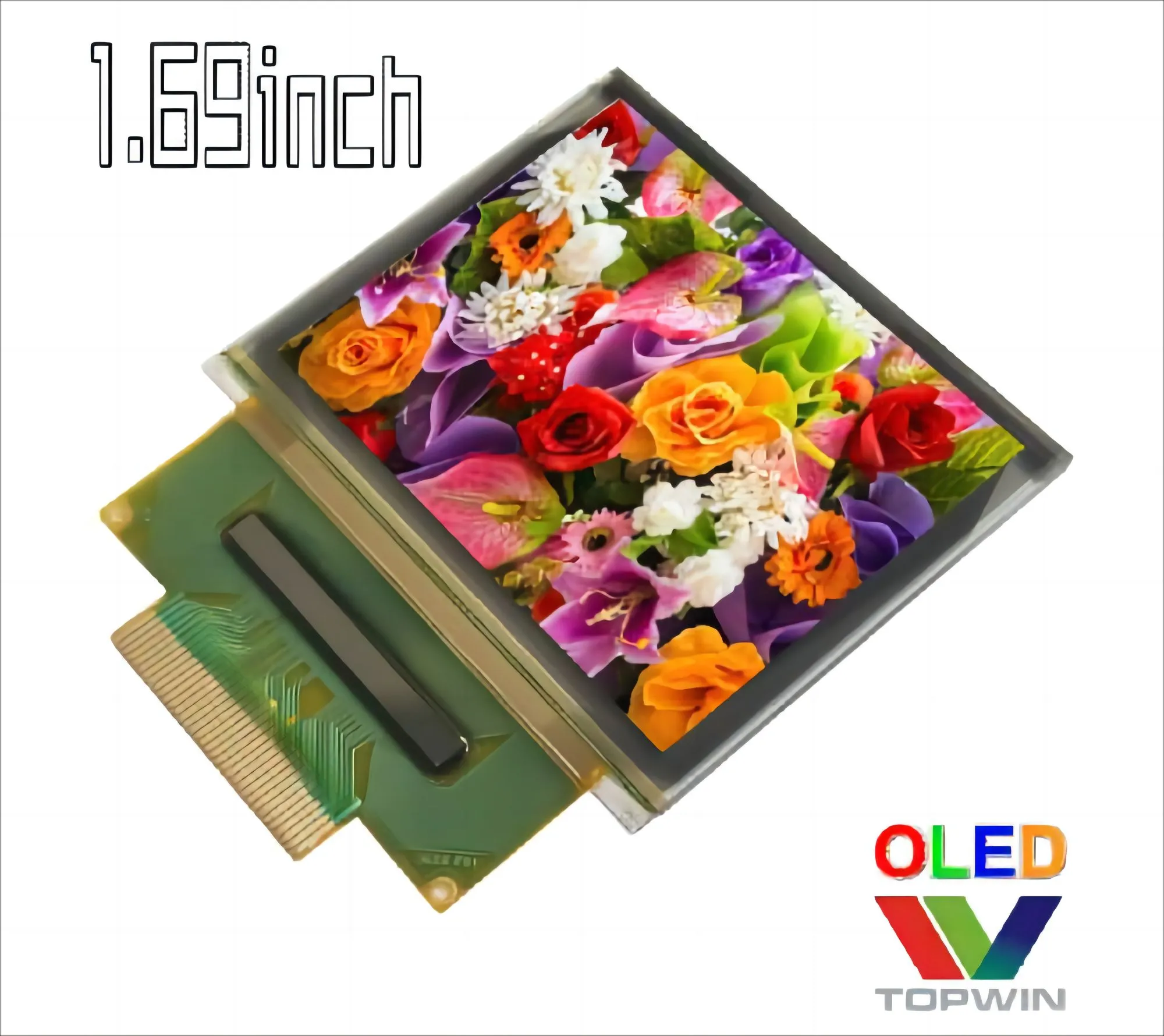
Industrial design has entered a phase where what users want and what engineering can pull off meet at one clear idea: simplicity. When you look at how fast the electronics market moves today, thick plastic bezels and heavy metal boxes are heading out the door. They are being replaced by clean, smooth profiles that look and feel modern right away. If your design team is trying to figure out how to make a product catch someone's eye and feel great in their hands, the display window is always the best place to start. Dropping in a slim oled screen isn't just a quick visual trick to make something look nicer. It completely changes how a device gets built, how much it weighs, and what kind of impression it leaves on the person using it. Stripping away unnecessary depth lets designers shape hardware that feels lighter, works more naturally, and immediately communicates a high-end feel before the user even powers it on.
Understanding the Self-Emissive Display Build
To really get why a thin display layout changes everything about a device's look, you have to look past the surface and check out the internal physics. Traditional liquid crystal setups rely on a chunky backlight box sitting right behind the glass, along with a bunch of brightness films and liquid crystal layers. That whole sandwich structure puts a hard limit on how thin a screen module can possibly get. Organic light-emitting diode technology throws that old playbook out the window by using a self-emissive setup. Every single sub-pixel generates its own light right where it sits, which means the whole backlight assembly disappears entirely. Because of this structural shift, a slim oled screen can get down to a thickness measured in fractions of a millimeter. On top of that, because individual pixels can switch completely off to show absolute black, the contrast ratio goes off the charts. You get deep, punchy colors that make the glass look like a pool of ink when the device is turned off, blending smoothly into the surrounding frame.
Engineering Wins: Heat Management and Structural Fit
Swapping out bulky display layers for an ultra-thin panel brings some huge mechanical and thermal perks that engineering teams love. When you are building portable electronics, medical gadgets, or handheld field equipment, every single millimeter and gram matters. Getting rid of the backlight module cuts a huge chunk of weight out of the display assembly, taking a lot of mechanical stress off the main housing and making the whole chassis much lighter and easier to hold. From a heat standpoint, organic material stacks draw less power at lower brightness levels, which keeps internal temperatures from climbing. Industry reliability studies show that keeping heat down inside sealed device enclosures protects nearby chips and sensitive electrical components, leading to a longer working lifespan even when the device takes a beating out in the field.
Commercial Impact: Elevating Brand Value and User Feel
In today's global market, how a piece of hardware looks and feels right out of the box plays a massive role in whether people think it is worth buying. Market trends prove that consumers naturally link slim, streamlined electronics with advanced technology and expert craftsmanship. Using a slim oled screen gives hardware brands a serious edge over competitors, turning standard functional tools into sleek, desirable lifestyle gadgets. Plus, the wider viewing angles and lightning-fast response times that come with organic panels make using the device a much smoother experience. Motion blur drops away, and text stays razor-sharp whether you are sitting in a dim room or standing under bright sunlight. For companies building everything from luxury automotive dashboards to sensitive lab instruments, investing in a high-end display profile builds instant trust, drives positive customer reviews, and helps products command a premium price tag.
Overcoming Integration Hurdles in Real-World Projects
Bringing advanced display tech into a commercial product line means dealing with tricky integration hurdles, from matching driver ICs to sealing the casing against dust and moisture. Over years of hands-on experience helping clients build custom display modules for industrial and medical gear, shifting to a thinner profile always requires close teamwork between optical designers and mechanical engineers. For example, when updating a portable ultrasound scanner, swapping out an older LCD screen for an ultra-thin OLED module trimmed nearly fifteen percent off the total unit weight while making the grip feel much more solid for emergency medical staff working on the move. Similarly, smart home wall panels look a lot sleeker when they sit flush against the drywall thanks to thin bezels and paper-thin panels. It just goes to show that you do not have to sacrifice rugged durability to get a stunning, high-end look that satisfies users from different cultural backgrounds all over the world.
Manufacturing Excellence and Supply Chain Support with Topwin
Turning a sharp visual concept into a reliable product that can be manufactured by the thousands requires a production partner with deep technical know-how and a dependable supply chain. Topwin focuses on delivering high-performance display modules built to meet the exact standards demanded by global product creators. Backed by advanced manufacturing lines, strict quality checks, and flexible customization services, Topwin helps bridge the gap between creative design ideas and scalable volume production. Whether a project calls for unique dimensions, specialized interface setups, or rugged sealing for harsh working environments, Topwin provides full support from prototype to final delivery, ensuring every device looks sharp and performs reliably in the market.
Table of Contents
- The Shift Toward Minimalist Industrial Design
- Understanding the Self-Emissive Display Build
- Engineering Wins: Heat Management and Structural Fit
- Commercial Impact: Elevating Brand Value and User Feel
- Overcoming Integration Hurdles in Real-World Projects
- Manufacturing Excellence and Supply Chain Support with Topwin